



We find each other here, once again, at the end of another school year.
If you’ve followed along with us all year, you know we had a theme. (Don’t you just love a theme?!) This year, we explored the data element of PBIS across all three tiers. While data aren’t always the most exciting aspect of PBIS, they hold us accountable to do the things we would do, and they tell us how effective we’ve been along the way.
Data help us do our best work. They help us know our larger schoolwide community better, target our support more precisely, and define our goals with intention.
Each tier comes with its own set of data to collect.
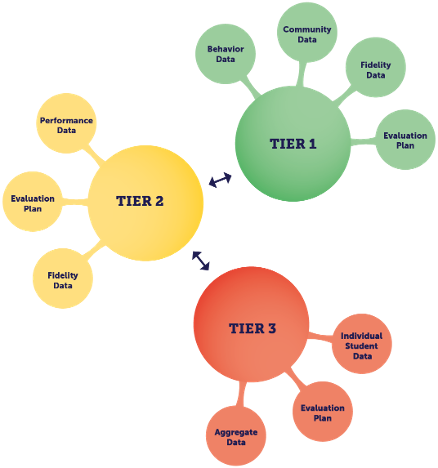
We wanted to move beyond collecting data and share how you can use those data to inform your decisions and improve outcomes for the students you support. Throughout the 10 articles and 10 podcast episodes, we uncovered some of the challenges you face as a team and learned how data can offer solutions that move you forward. These resources will be here whenever you need them, but it’s the end of the school year. We need easy, simple things.
Here is your year-end wrap up of the articles and podcasts we produced in 2025-2026. Enjoy your summer and we’ll catch you back here in August.
August 2025
From Siri to SWIS: How Asking Questions Turns Data Into Action
This year, artificial intelligence (AI) tools like ChatGPT and Copilot found a way into our daily lives. The trick is in finding ways to use them as tools in our process rather than a replacement for our creativity. While computers can identify trends, it takes real human beings to put the data in context and come up with solutions that will work. In August, we shared some questions you can ask as you review your data at team meetings.
- How do these data compare?
- What do we know about the peaks and valleys?
- Do these data match our expectations?
- What are we curious to know?
The Lesson Learned: The data systems we use are powerful tools, but making sense of the data we collect requires our experiences, instincts, and expertise in the decision-making process.
Listen to the accompanying podcast episode: Why Data Matter in PBIS with guest Dr. Robert Horner.
September 2025
Stay the Course: Building Habits for Stronger Data Practices
Three elements make up every PBIS implementation:
- Systems
- Practices
- Data
While data may not be the most exciting element to talk about, it’s just as essential as the expectations you define and the acknowledgements you hand out. In our September article, we really kicked off our “Data in PBIS” theme by focusing on the consistent systems and practices surrounding the Tier 1 outcome data you collect. Building that consistency takes effort, but small, intentional steps like defining behaviors clearly, capturing the motivation behind those behaviors, and connecting with a data coach can make a big difference.
The Lesson Learned: While systems and practices make PBIS visible in your school, data help you sustain those efforts over the long haul.
Listen to the accompanying podcast episode: The Fundamentals of Data-Based Decision Making with guest Dr. Erin Chaparro.
October 2025
No Easy Button? No Problem: Four Decision Rules Every Team Should Know
Data-driven decisions are part of every school’s PBIS implementation at every tier. They help us get students the support they need sooner to achieve the social and academic outcomes we know are possible. The trouble with data is there’s just way too much of it. This is where decision rules come in: the ways to make a prediction about something that is currently unknown. In October, we shared four of the decision rules that give us a place to start when we look at student behavior.
The Lesson Learned: When the amount of data collected feels overwhelming, decision rules simplify the chaos, focus your attention, and give you a clear place to start.
Listen to the accompanying podcast episode: Using Data to Improve Student Support with guest Dr. Lisa Friesen and Jamie Ferguson.
November 2025
Your Data Story Doesn’t End Here: Tier 2 Can Flip the Script
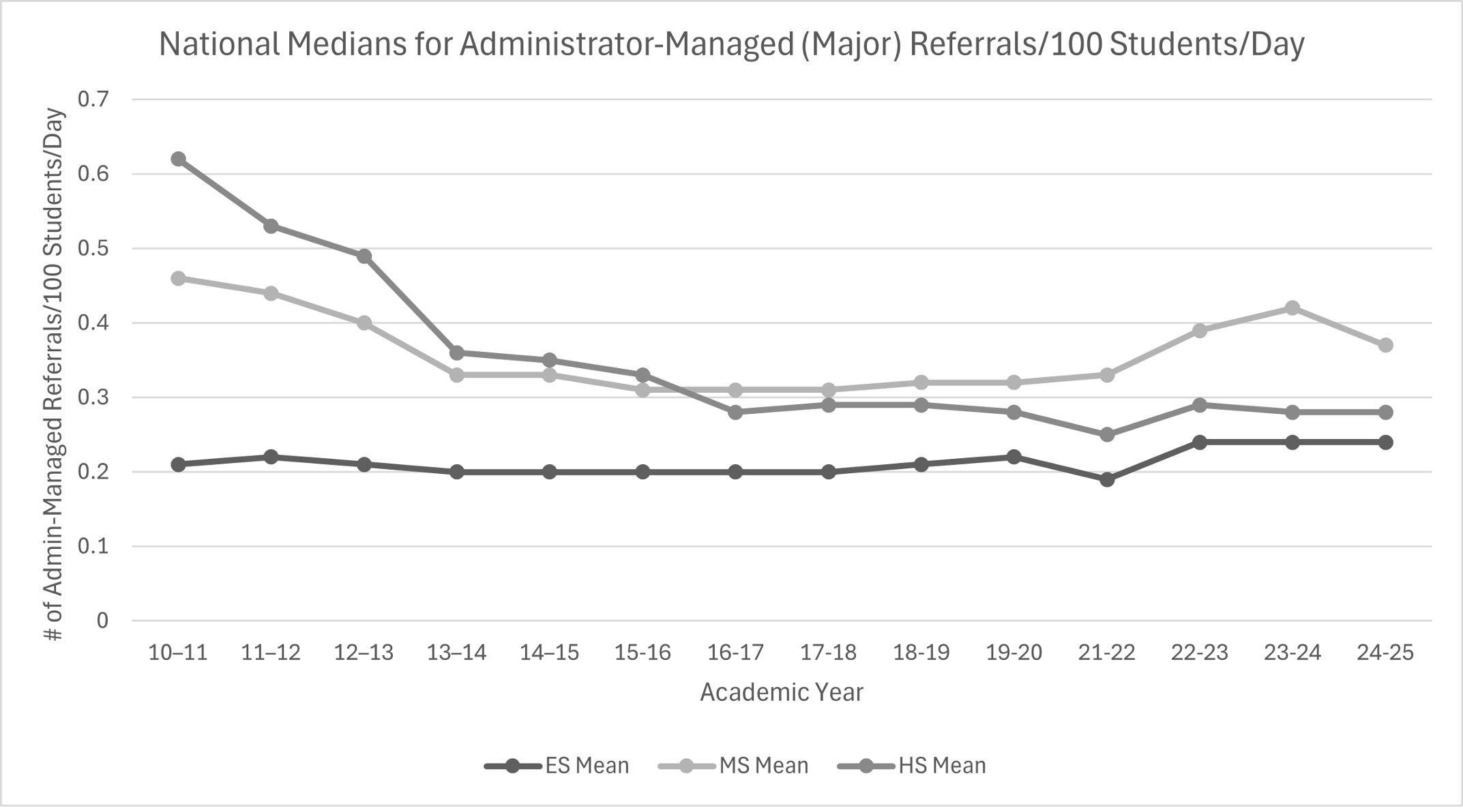
After the 2019-20 school year, national referral trends changed. The pandemic disrupted so many of the systems and practices schools put in place to support student behavior. Fast forward to the 2024-25 school year, and we see trends reflecting your classroom’s realities. As behaviors increase, it’s time to look toward Tier 2 systems, practices, and data for solutions. In November, we shared how you can use your Tier 1 data to kickstart the support you offer at Tier 2.
The Lesson Learned: The data stories you tell often point toward new opportunities for support.
Listen to the accompanying podcast episode: Mythbusters – Student Behavior is More Significant Now Than Ever with guests Dr. Billie Jo Rodriguez and Noah Van Horn.
December 2025
Our Favorite Things 2025
It’s an annual tradition! This year’s list didn’t disappoint. From squishable fidgets to undercover spirit days, these were some of the little things that brought big joy to our day in 2025.
The Lesson Learned: There is always time to add joy to the work...and even some time to rest.
Listen to the accompanying podcast episode: Favorite Things Replay – Tier 2 Decision Making with guest Dr. Erin Chaparro.
January 2026
Cooking with Fidelity: How Smart Adaptations Improve Tier 2 Outcomes
Because we work with researchers, it’s easy to think that high-fidelity implementation is the best implementation. While this is true, it’s also true that modifying a practice to fit your context also produces improved outcomes. In January, we explored the data-driven adaptations you can make to a Tier 2 intervention called Check-In Check-Out (CICO) that bend the fidelity measuring stick without breaking it.
The Lesson Learned: Interventions backed by research work for a reason. If you implement the core components, the malleable factors are a great way to use your creativity and make the intervention work for your students, in your context.
Listen to the accompanying podcast episode: Support for Staff Implementing Tier 2 Supports with guests Dr. Billie Jo Rodriguez and Noah Van Horn.
February 2026
What’s Missing from Your Behavior Data? The Why
Sometimes the Tier 2 supports you put in place work perfectly. Other times, they’re less successful. When interventions don’t achieve the outcomes you’re after, it’s important to ask why. In February, we turned our attention to Tier 3 by focusing on the function of student behavior. When students need additional support, you need to align that support with the motivation behind their behavior. Researchers created an online training to walk you step-by-step through identifying the function of behavior...and we shared some of their best tips!
The Lesson Learned: Not everyone needs a comprehensive functional behavioral assessment, but everyone benefits from function-based support.
Listen to the accompanying podcast episode: Mythbusters – Functional Behavioral Assessment is Only for Special Education with guest Dr. Chris Borgmeier.
March 2026
From Why to What’s Next: Building Function-Based Behavior Plans
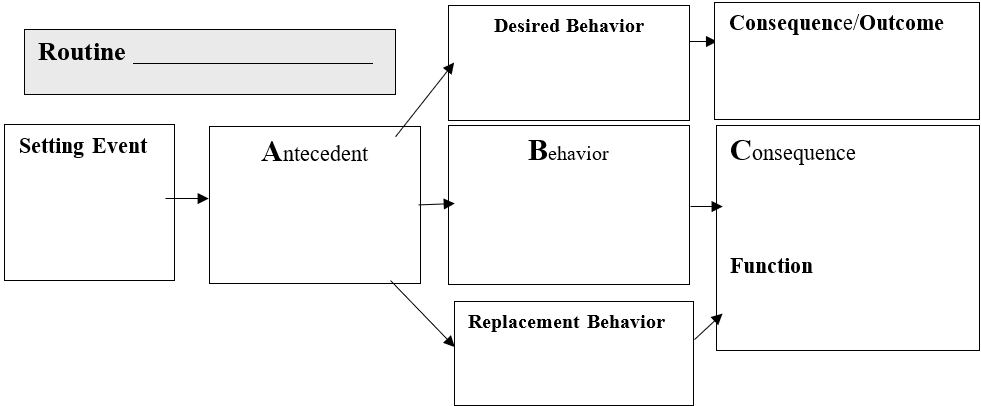
Once you know the function behind the behavior, it’s time to build a plan. The behavior support plan is the documentation of how you’ll support a student to get from point A to point G by tackling all the letters in between. In March, we introduced the competing behavior pathway — the roadmap defining the steps to get us toward the student’s goal. As a bonus: We included an example student’s plan and how you can set up their goals in I-SWIS.
The Lesson Learned: It may take a little more time, but documenting student goals, the steps to get there, and the data you’ll collect along the way sets you and your team up to make informed decisions about student success.
Listen to the accompanying podcast episode: Tier 3 Supports in General Education Classrooms with guests Jess Olson and Mara Lynaugh.
April 2026
The Fit Check Your Behavior Plan Needs
In the same way Tier 2 interventions need to match the function of the behavior, individualized supports work best when they fit within a given setting. These interventions only succeed when we consider the adults who will implement the plan alongside the student who will receive the support. In April, we shared six elements to match with the plans you design:
- Values
- Shared Understanding
- Skills
- Effectiveness
- Resources
- Support
The Lesson Learned: The best support you can offer considers the whole student.
Listen to the accompanying podcast episode: Rethinking Fidelity – Making Behavior Support Plans Work in Real Classrooms with guest Dr. Rose Iovannone.
May 2026
Turn Your Evaluation Plan into a Data Story Worth Telling
Whether you share your data with state-level evaluators at the end of the year or with your schoolwide community, evaluating your PBIS implementation is an essential data element at every tier. Your annual evaluation plan is your opportunity to share the work you’ve accomplished and highlight how you achieved those outcomes alongside your partners. You could throw some graphs on a PowerPoint and call it a day...or you can take the opportunity to tell a data story. In our May article, we shared a step-by-step guide on how to transform your annual evaluation plan into a compelling story that inspires your audience to continue the work.
The Lesson Learned: It’s valuable to reflect on the work you’ve done and how it affected the outcomes you achieved...together. Use the end of the year to inspire how you start the coming year.
Listen to the accompanying podcast episode: Mythbusters – Districts Use Your Data as a Gotcha with guests Charisse Elliott and Becky Gawenit.